
Multilingualism in Child Care

With 7,100 languages spoken worldwide, is it any wonder Indiana is home to dozens of mother tongues? When your family speaks another language at home, choosing child care can feel even more overwhelming. Here are some tips that will help the process feel more comfortable and get your child learning in no time!
Speaking Your Home Language at Home
“If I speak Spanish around my son at home, he won’t learn English correctly!” “If she switches from English to Punjabi when she speaks, there’s something wrong with her!” “If my daughter only hears me speak Haitian Creole, it will take her a long time to learn English!”
Do these worries sound familiar?
Don’t fret! Research tells us that hearing and speaking multiple languages from a young age is a wonderful thing. Speaking your home language around your child helps them learn English better. Your child will learn English in school. It is absolutely okay to speak your native language with them at home.
Mixing languages is completely normal. When our niños switch between lenguajes, it shows flexible thinking, which is key to kindergarten readiness, school success and career growth later in life. In fact, speaking multiple languages increases attention, memory and literacy skills, too!
Additionally, a love for home language and culture builds children’s confidence, safety and identity. Children who see their home language appreciated see its value and the value in themselves. Multilingualism is beautiful.
What to Look for in Child Care
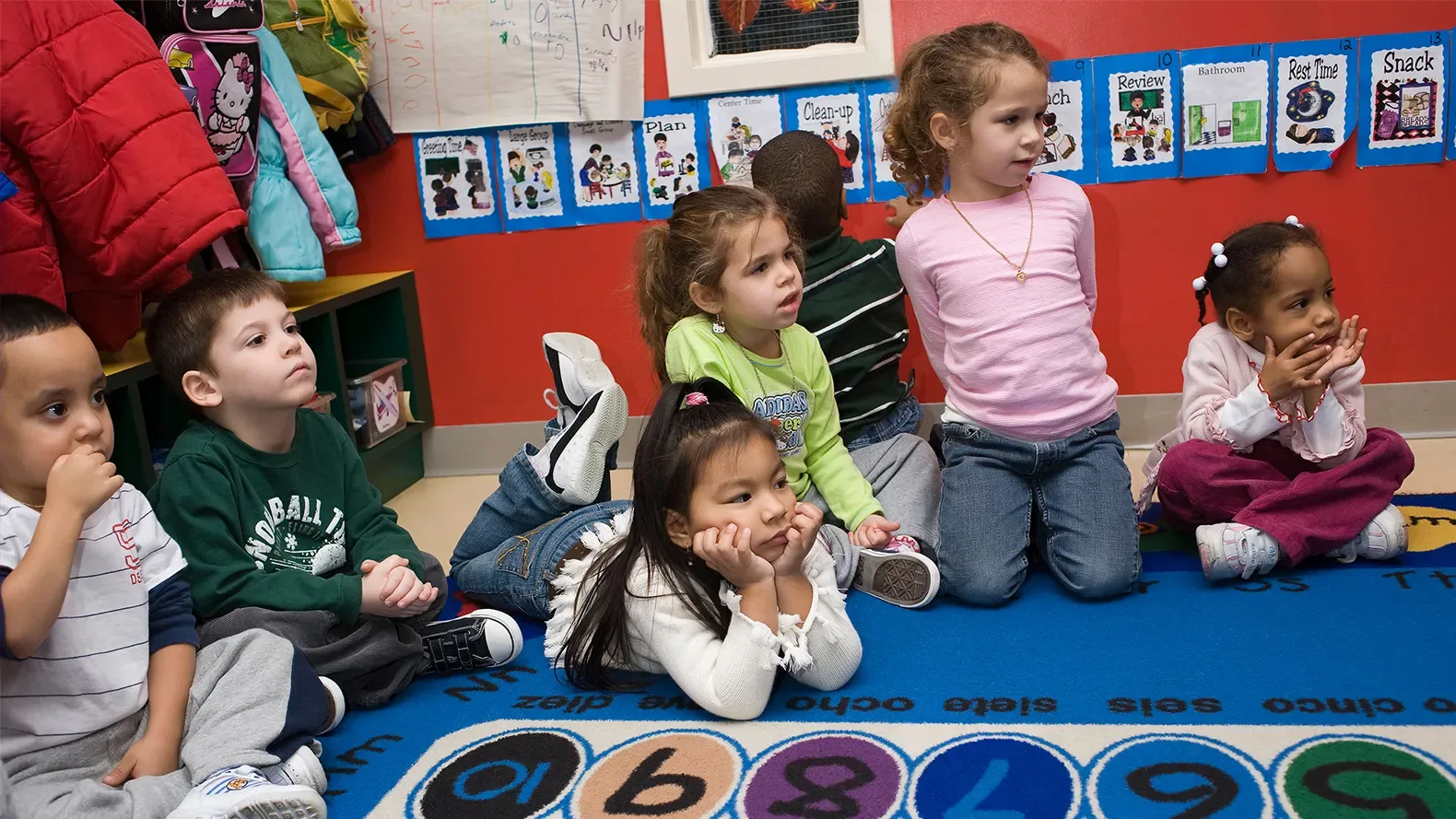
Now that you’re speaking comfortably at home, how do you feel comfortable choosing child care? In general, child care should be a language- and print-rich environment. Providers should speak with children constantly and encourage their language development at every turn. Bookshelves should be overflowing with reading materials for children. You should see labels in various parts of the classroom, helping children learn words like “sink,” “chair” and “cubby.”
When a child care program is multilingual-friendly, the bookshelves include books in other languages. Children have space to play in multiple languages, and providers speak with them in their home language, too, even if only a few words. Classroom labels include translations of common words in other languages and visual aids. “Sink” is also labeled as “grifa” with a photo of a faucet, and “chair” is translated to “silla” beside a picture of a rocker. And families from all backgrounds are included in the classroom environment in ways that feel comfortable to them.
Touring a child care program soon?
As you visit, use the checklist below to help you look for multilingual supports along with key indicators of health, safety and quality.
Checklist:
- Books include diverse characters and languages.
- Children speak with each other in multiple languages during play.
- Classroom labels include visuals and translations.
- Families are invited to participate in child care.
Share With Your Child’s Provider
You’ve toured a program, and it seems like a good fit. What do you do now?
Talk with your child’s provider about what makes your child unique. Share:
- Customs or routines from home that can be included in child care.
- What helps your child feel comfortable in larger groups.
- Your child’s strengths and favorite things to do at home.
- Foods that offer comfort and cultural significance.
- The ways you prefer to communicate despite language barriers.
After sharing these important pieces of information, ask how the provider plans to incorporate your family’s needs into your child’s care routine.
Conclusion
Child care is a partnership between early childhood professionals and you. You are the expert on your child. You are their first and best teacher.
Look for signs that your child will be included in care. Ask questions. Share what’s important. And keep nurturing your cultural heritage at home.
Multilingualism improves the learning of every child in the classroom. Different languages and cultures bring rich, layered experiences, increase empathy and improve academic outcomes.
Acknowledgment: This article was supported by research conducted by the Indiana Institute on Disability and Community Early Childhood Center. Explore more about their work on their website.
We are here to help!
For more information on finding child care that fits your family, explore our Choosing Child Care guide.